
Education
Health
Child Not Improving in Therapy? Why a Full Child Psychological Assessment Should Come First, as Indian-Origin Parents Abroad Seek Online Help
An Indore child psychologist highlights the importance of personalised support and how online assessments are helping families across the Gulf countries, Canada, and Germany.
Indore (Madhya Pradesh) [India], October 27: A child starts therapy, and for a few months things get better. Then progress slows. The same exercises, the same sessions, and the same marks return, and parents begin to ask why. Clinicians say the answer often lies in what happens before therapy begins: a comprehensive child psychological assessment that shows what a child already can do, what is genuinely difficult, and where support should start.
The World Health Organization notes that signs of autism can be detected in early childhood, but that autism is often not diagnosed until much later, and that timely access to early, evidence-based interventions can improve children’s communication and social interaction. Early identification and early support go hand in hand.
A 2011 systematic review in Pediatrics found that children respond very differently to the same early intervention approaches for autism, and that predicting who will gain most from which approach remains difficult. A clear picture of each child matters when goals are chosen and adjusted.
The scale of need is large. The Global Burden of Disease Study 2016, covering 195 countries and territories, estimated that 52.9 million children under five, about 8.4 per cent, had a developmental disability (The Lancet Global Health, 2018). The World Health Organization estimates that about one in 127 people worldwide had autism in 2021. A global analysis of 53 studies put ADHD at 7.6 per cent among children aged 3 to 12, with estimates varying from about 4 to 11 per cent depending on the diagnostic criteria used.
Difficulties that look alike can also overlap. ADHD, learning disorders, language delay, anxiety and autism can occur together or resemble one another, so a child may need more than one kind of support, and the order matters. This is why a comprehensive assessment looks at several areas of development, not one.
Standardised tools compare a child’s performance with large reference groups of children of the same age. That helps separate a genuine difficulty from normal variation, and lets schools and clinicians elsewhere understand the results. An assessment also sets a baseline, so progress in therapy can be measured and reviewed. Results are best read in the context of the child’s language, schooling and culture.
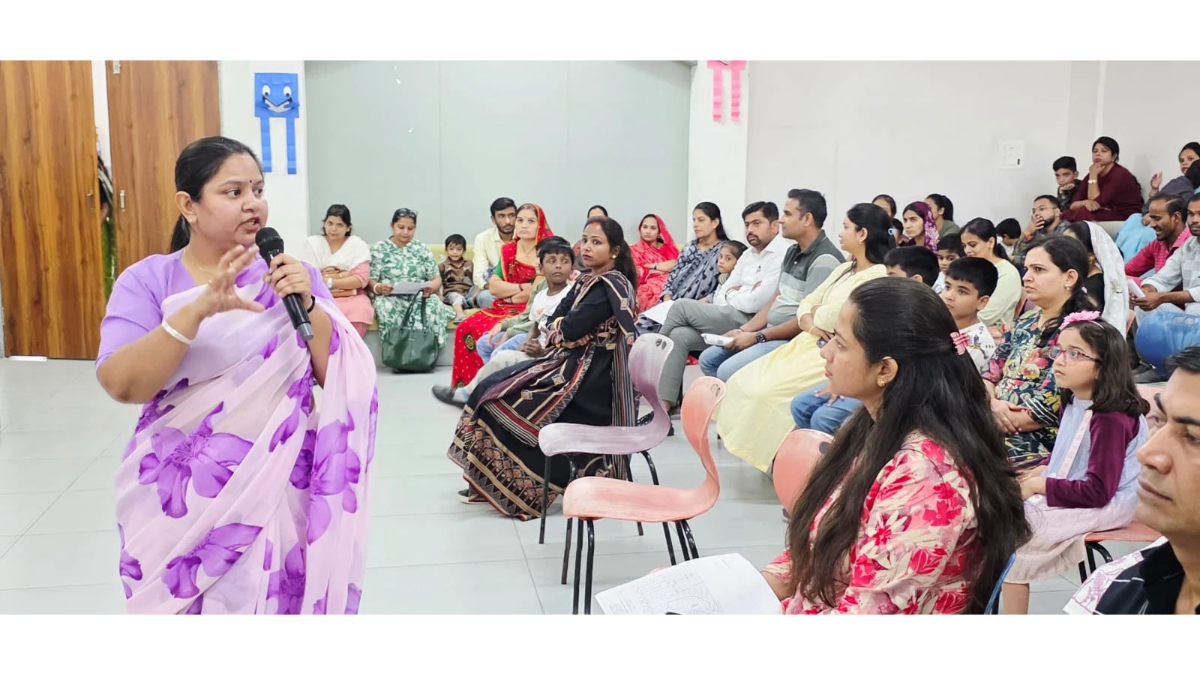
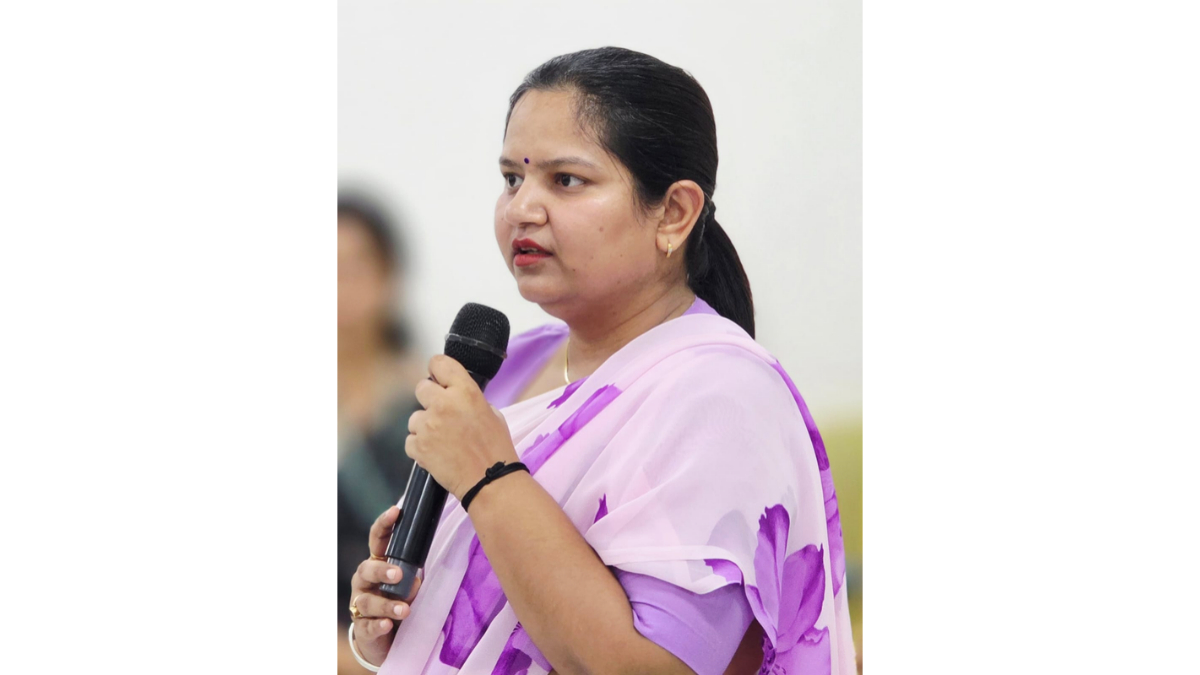
“Parents do the right thing by starting help early. What changes the outcome is that the help fits the child,” said Dr Vini Jhariya, Clinical & Child Psychologist in Indore, who has more than 12 years of experience. “An assessment is how we turn the research into a plan for one child, and parents do not have to wait for it. Much of the plan can begin online, while any hands-on therapy is arranged in person.”
Dr Jhariya says parents of Indian origin from across the world, especially from the Gulf countries and Canada, reach out to her for online assessments of their children.
Her practice has carried out many child psychological assessments, covering ADHD assessment, IQ and cognitive testing, specific learning disability (SLD) and dyslexia assessment, learning disability and slow learner assessment, psycho-educational testing, behaviour assessment and autism (ASD) assessment. Standardised, internationally recognised tools are used, including the Wechsler Intelligence Scale for Children (WISC) and Wechsler Adult Intelligence Scale (WAIS) for IQ, the Woodcock-Johnson (WJ) tests of cognitive abilities and academic achievement, the Conners rating scales for ADHD, and the Autism Diagnostic Observation Schedule (ADOS), widely regarded as a gold-standard tool for autism assessment. Parents of Indian origin from the Gulf countries (UAE, Saudi Arabia, Qatar, Kuwait, Oman and Bahrain), Canada and Germany, and Indian families across the world, reach her for online child assessment followed by a personalised intervention plan. Each family receives a detailed written report in a standard format that can be shared with schools, paediatricians and therapists in India or abroad. NRI parents and Indian families abroad can book an online child psychologist consultation, with in-person sessions at Urjasvini Child Development Center, Indore, where needed. Some tools, such as ADOS, are administered face to face by trained professionals, so assessments combine online and in-person sessions as needed.
An online assessment typically begins with a call in which parents share concerns and send school reports, notebook samples and earlier therapy or medical reports. A detailed parent interview and child sessions by video follow, using tasks suited to remote delivery. The family then receives a written report with the child’s strengths, needs, recommended therapies, and a home and school plan. In a study of 144 toddlers published in the Journal of Autism and Developmental Disorders, a telehealth autism assessment matched an in-person assessment for 92 per cent of children, though this applies to specific tools and ages. A thorough assessment also advises when a hearing, vision or paediatric check is needed. It is not a label and does not replace medical evaluation.
Signs worth discussing with a professional include delayed or unclear speech, persistent difficulty with reading, writing or spelling, marked restlessness or inattention, slow learning despite effort, falling school performance, difficulty with social interaction, or therapy under way while progress has slowed. These are reasons to look closer, not a diagnosis.
Parents can put seven questions to any therapist or school:
- Has my child had a full assessment of thinking, learning, attention, language and emotions?
- What are their strengths, and what exactly is hard?
- Which skills do they already have, so we do not repeat them?
- What are the goals for the next few months, and how will they be measured?
- Have attention, anxiety, language and learning difficulties been checked?
- When will progress be reviewed, and what changes if it stalls?
- What should I practise at home, and what should the school know?
Sources: World Health Organization, autism fact sheet; Warren et al., Pediatrics, 2011; Olusanya et al., The Lancet Global Health, 2018; Salari et al., Italian Journal of Pediatrics, 2023; Vanderbilt University Medical Center, Journal of Autism and Developmental Disorders, 2023.
About Expert – Dr. Vini Jhariya, M.Phil. Clinical Psychology (RCI), is a TEDx Speaker with over a decade of experience in child and clinical psychology. She is the Founder of Urjasvini Child Development Centre and Urjasvini Special School — providing autism intervention, ADHD treatment, speech therapy, special education, occupational therapy, and child psychology services in Indore, Madhya Pradesh. Dr Vini is trained in many international modalities; she works with neurodiverse children, including children with ADHD, autism, learning disabilities, and dyslexia, and creates awareness among parents and schools. She has delivered a TEDx talk and holds multiple awards. Contact at: [email protected] or visit thechildpsychologist.in and https://www.instagram.com/vini_thechildpsychologist/
If you object to the content of this press release, please notify us at [email protected]. We will respond and rectify the situation within 24 hours.



Business
Gujarati Cinema Star Malhar Thakar Visited ‘Blue Club’ in Vadodara on October 25th
Celebrating fashion, family, and festive joy as part of the ‘Certainly Blue Club’ campaign
Vadodara (Gujarat) [India], October 27: This festive season, ‘Blue Club’—one of Gujarat’s premier family fashion destinations—welcomed renowned Gujarati actor Malhar Thakar. On Sunday, October 25, 2026, he visited the brand’s newly opened flagship store located at Genda Circle, Vadodara.
This visit is part of Blue Club’s ongoing “Certainly Blue Club” campaign. The campaign celebrates the joy of wearing beautiful attire, the importance of personal style, and the special moments that bring families together.

Known for his captivating on-screen performances and his strong connection with the Gujarati audience, Malhar Thakar represents a new generation—a generation that values its unique identity while remaining deeply rooted in its cultural heritage. His presence at this event reflects Blue Club’s philosophy: fashion is not merely limited to the clothes we wear; rather, it is an expression of personality and self-confidence—a way to make the memorable moments spent with loved ones even more special.
A New Fashion Experience in Vadodara
Established in 1997, Blue Club has built its reputation on a foundation of carefully curated fashion, quality, and strong customer relationships.
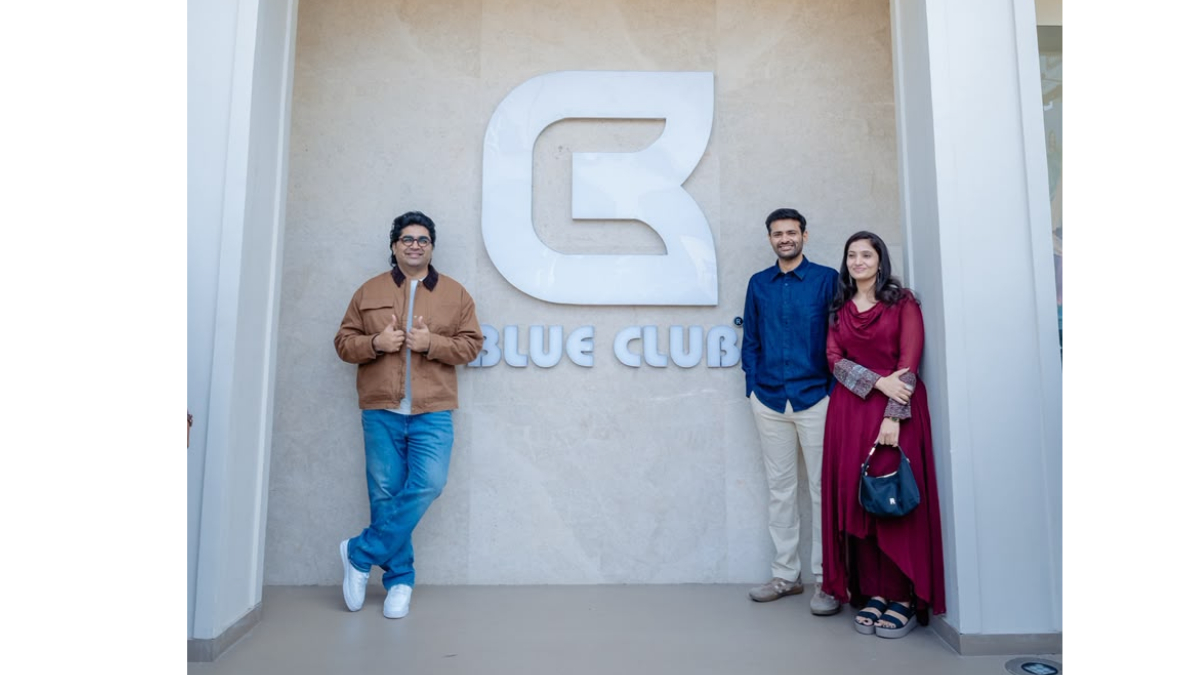
With its recently launched 22,000-square-foot flagship store in Alkapuri, Blue Club brings together a selection of international and contemporary fashion brands under one roof. The store offers a premium shopping experience for men, women, and children. As families prepare for Diwali, the brand aims to make festive shopping just as memorable as the celebrations themselves.
Through the “Certainly Blue Club” campaign, the brand is further strengthening its bond with customers who value refined fashion, meticulous attention to detail, and the joy of shopping together as a family.

Malhar Thakar’s visit marks a special milestone in this journey, bringing together the worlds of Gujarati cinema, contemporary fashion, and the festive spirit of Vadodara. Because while great style is personal, the joy of celebrating it is best shared with others.
About Blue Club
Established in 1997, Blue Club is a premium multi-brand family fashion retailer that is expanding its presence across Gujarat. By bringing together leading international and contemporary fashion brands, it is committed to offering carefully curated collections for the entire family, along with an exceptional shopping experience.